Yeah sure
Here’s the implementation:
Model:
class SentimentAnalysisModel(nn.Module):
    def __init__(self,vocab_size,embedding_dim=128,hidden_dim=256,num_layer=2,pad_id=0,dropout=0.5):
        super().__init__()
        self.embedding=nn.Embedding(vocab_size,embedding_dim,padding_idx=pad_id)
        self.GRU=nn.GRU(embedding_dim,hidden_dim,num_layer,batch_first=True,dropout=dropout)
        self.linear=nn.Linear(hidden_dim,1)
    def forward(self,input_ids):
        embedded=self.embedding(input_ids)
        output,hidden=self.GRU(embedded)
        last_hidden=hidden[-1]
        out=self.linear(last_hidden)
        return out
Training loop:
# loss1=[] #Only initialize these lists once, First Time, to avoid resetting the checkpoint values
# epoch1=[]
# accuracy=[]
best_val_loss=float('inf')
for epoch in tqdm(range(start_index, start_index)): # Change the range to start_index + number_of_epochs to continue training for more epochs
    loss_epoch=0
    count=0
    accuracy_epoch=0
    total=0
    valid_loss_acc=0
    valid_count=0
    model.train()
    for x,y in train_dataloader:
        x=x.to(device)
        y=y.to(device)
        optimizer.zero_grad()
        output=model(x)
        loss=loss_fn(output,y)
        loss.backward()
        optimizer.step()
        loss_epoch+=loss.item()
        accuracy_epoch+=Accuracy(y,output)
        total+=y.size(0)
        count+=1
    loss1.append(loss_epoch/count)
    epoch1.append(epoch)
    accuracy.append(accuracy_epoch/total)
    model.eval()
    for x,y in validation_dataloader:
        with torch.inference_mode():
            x=x.to(device)
            y=y.to(device)
            valid_output=model(x)
            valid_loss_acc+=loss_fn(valid_output,y).item()
            valid_count+=1
    valid_loss=valid_loss_acc/valid_count
    if valid_loss<best_val_loss:
        best_val_loss=valid_loss
        torch.save({
            'epoch': epoch,
            'model_state_dict': model.state_dict(),
            'optimizer_state_dict': optimizer.state_dict(),
            'loss': loss_epoch/count,
            'accuracy': accuracy,
            'epoch1': epoch1,
            'loss1': loss1
        },"/content/drive/MyDrive/RNN/IMDB/checkpoint.pth")
Loss/optimizer:
optimizer=torch.optim.Adam(model.parameters(),lr=1e-3,weight_decay=1e-5)
loss_fn=nn.BCEWithLogitsLoss()
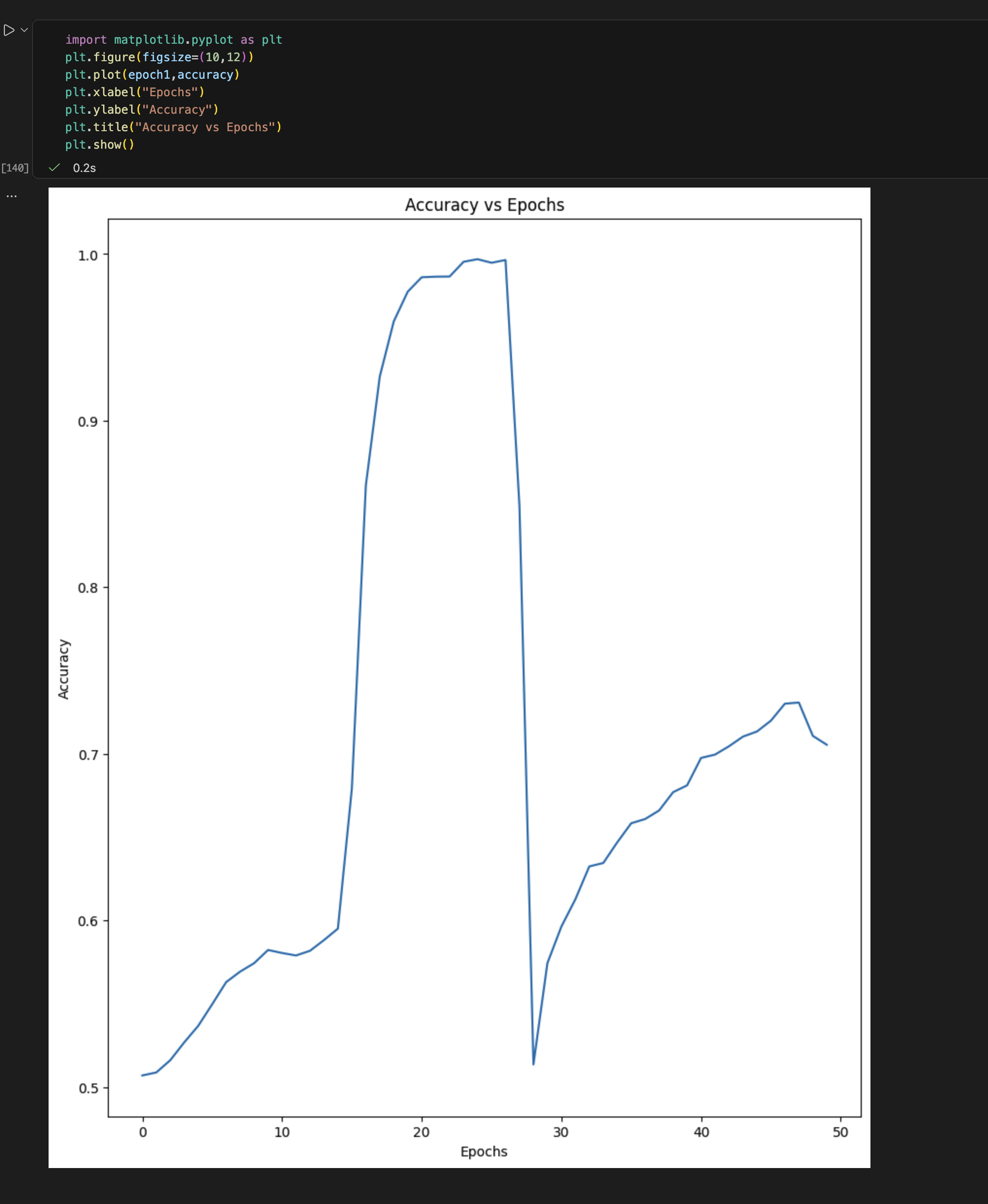
I’ve never encountered something like this before. I think it’s the high dropout value thats pushing the model off the minima, but I am not sure.
Would appreciate any suggestions on what might be causing the instability.
I’ll also try a single-layer GRU as you suggested.